
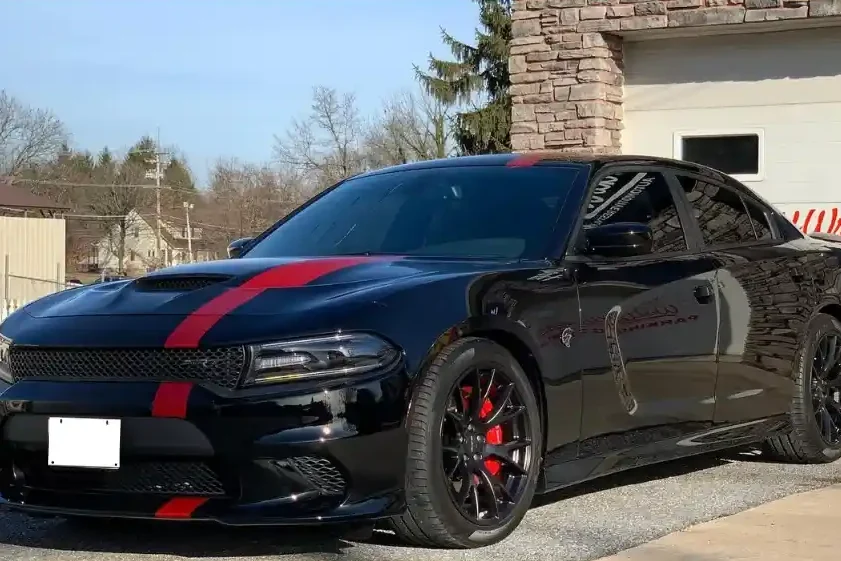
When winter arrives in Maryland, your ceramic-coated vehicle faces a real seasonal challenge. Ceramic coating aftercare becomes critical during winter months when Maryland’s winter road maintenance relies on salt brine and rock salt, both effective de-icers but both capable of damaging paint if left on the surface. Your ceramic coating protects the paint it bonds to, but only if salt isn’t sitting on it. Here’s how to maintain your coating through the season.
Understanding Maryland’s Winter De-Icing Chemicals
Maryland roads use two primary de-icing materials during winter. Salt brine is a liquid solution of about 22 percent salt and 78 percent water, used before, during and after winter weather events. Rock salt (solid sodium chloride) provides additional traction and melt capability. Both are cost-effective and widely used, but neither dissolves without water or simply evaporates from your vehicle’s paint.
Road salt accelerates rust formation on your vehicle’s undercarriage and exposed metal. Ceramic coatings make water bead and run off your paint surface, but they are not a barrier against chemical corrosion if salt residue is left to dry and cure. The hydrophobic properties only work when you remove the contaminant, so regular washing is not optional in winter.
Newly Applied Coatings: Follow Your Installer’s Instructions
If your ceramic coating is freshly applied at WildWrapz, your installer will provide specific cure-time and care guidelines at the time of application. Do not assume general PPF guidance applies to ceramic coatings; they have different curing timelines and handling requirements than paint protection film.
XPEL FUSION PLUS is professionally installed and requires a curing period that must be confirmed by your installer before you wash or expose the coating to harsh conditions. Do not wash, park in direct sunlight, or expose the vehicle to water until your installer confirms the coating is fully cured. If you’re unsure of the exact timeline, contact WildWrapz before washing.
The Winter Washing and Drying Routine
Cold temperatures and road salt contamination make frequent, gentle washing essential. Wash your vehicle using ceramic coating wash products and avoid direct sunlight to prevent streaking and water spotting. Work from the roof downward, leaving visibly soiled areas like wheel wells and lower panels for last to minimize the risk of dragging contaminated water across clean surfaces.
In Maryland winters, weekly washing is a practical baseline when exposed to salt brine and rock salt regularly. After heavy snow, icing events, or road treatment, wash sooner.
Drying is critical and non-negotiable: Use a clean, soft, lint-free microfiber towel or air blower to dry all exterior surfaces completely. Never allow water to air-dry on ceramic-coated paint. Water can leave mineral deposits that create spots and buildup on ceramic-coated surfaces, and allowing water to evaporate, especially in cold weather, makes those deposits harder to remove and can degrade the coating’s clarity.
What to Avoid
Never use aggressive polishing compounds, wax, or abrasive tools on a ceramic-coated surface. Avoid polishing the coating or using aggressive products to remove surface contamination. Do not use brush-type automatic car washes, harsh chemical degreasers, or sponges that can scratch the coating.
If you notice stubborn salt residue, road grime, or contamination that won’t rinse away with normal washing, or if the coating feels gritty under your fingertips after drying, stop and contact your WildWrapz installer. They can safely decontaminate the coating using appropriate methods without damaging the molecular bond.
Winter Aftercare Checklist
- Wash weekly or after heavy salt or brine exposure using a ceramic coating wash product
- Dry completely with a soft microfiber towel or air blower; never air-dry
- Avoid direct sunlight while washing or applying any products
- Wash top to bottom, leaving dirtiest sections (wheel wells, undercarriage splash) for last
- Skip polishing compounds and wax designed for non-coated paint
- Rinse off salt spray as soon as practical after each exposure; do not let it dry on the paint
- Request an installer inspection if contamination won’t wash off or the coating feels rough
When to Contact Your Installer
Reach out to WildWrapz if:
- The coating loses its water-beading properties despite regular washing
- You see etching, staining, or discoloration that won’t come clean
- The coating feels rough or gritty after washing and drying
- You’re unsure whether a product or cleaning method is safe for your coating
Your XPEL FUSION PLUS installer is your best resource for questions about coating care and troubleshooting.
Undercarriage Protection Extends Beyond Paint
Your ceramic coating protects the paint surface, but salt damage reaches the undercarriage. Regular full-vehicle washing is essential, but add undercarriage spray at a touchless car wash regularly during winter and immediately after heavy snow or road treatment. Protecting the underbody prevents rust that ceramic coating cannot address.
Frequently Asked Questions
Does ceramic coating make my car maintenance-free in winter? No. Ceramic coating makes washing easier by allowing water and dirt to bead and slide off, but regular gentle washing is still essential. Road salt and brine will damage the paint underneath if left to dry on the surface.
How often should I wash my ceramic-coated car in Maryland winters? Weekly washing is a practical baseline during winter when exposed to salt brine and rock salt. Wash sooner if you encounter heavy snow or road treatment, or if salt spray is visible on the vehicle.
What’s the difference between caring for a new ceramic coating and maintaining one that’s already cured? Newly applied coatings require specific cure time before washing or water exposure. Always follow your installer’s instructions. Once cured, routine maintenance involves regular gentle washing, thorough drying, and avoiding abrasive products.
Can I use wax or polish on a ceramic-coated car? No. Wax and polishing compounds designed for traditional paint are unnecessary and can damage the ceramic bond. Use only products designed for ceramic-coated surfaces.
What should I do if my coating looks dull or stops beading water? Contact WildWrapz. Loss of beading often indicates contamination or mineral buildup that requires professional decontamination, not aggressive polishing.
Learn More
Explore WildWrapz’s best ceramic coating in Maryland to understand protection options, warranty packages, and application details.
For broader context on ceramic coating value and common misconceptions, see WildWrapz’s ceramic coating myths article.